
BrickSearch Minifigure Scanner
Tiro Media LtdShopping
3.1395.00 Reviews
- Version
- 4.3.2
- Installs
- 500.00K
- Age Rating
- Everyone
Screenshots
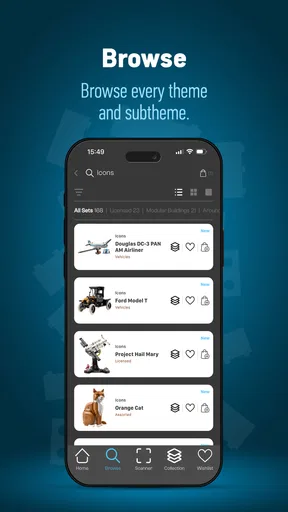
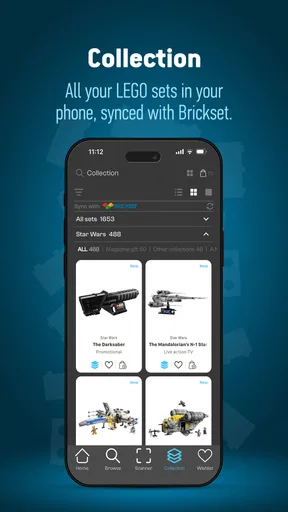
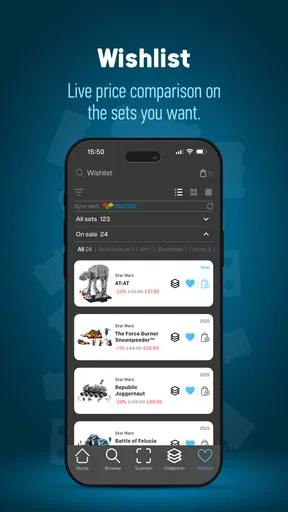
Our Review of BrickSearch Minifigure Scanner
 Analysis by Appyee
I approached BrickSearch Minifigure Scanner as a collector rather than as someone looking for another shopping shortcut. The idea is simple: use the camera to identify LEGO minifigure boxes, keep track of what you have, and make buying duplicates less frustrating. That sounds like a small convenience, but it addresses a very specific problem: blind-box collecting can turn a fun purchase into a pile of repeated figures.
My main question was whether this app would still deserve a place on my phone after the novelty of scanning wore off. In the first few days, the answer felt obvious. The scanner makes browsing a box display more interactive, and the collection tools give the experience a purpose beyond identifying one item. The harder question is whether I would keep opening it between purchases. That depends heavily on how seriously you collect, how carefully you maintain your list, and how much patience you have for checking every new box.
From an exciting first week to a useful collecting habit
The app comes from Tiro Media Ltd and sits in the shopping category, although it feels more specialized than a normal shopping companion. It is free to download, aimed at Everyone, and works on Android devices running version 7.0 or later. The current release is 4.3.2, so it is accessible to people using older compatible phones as well as newer devices.
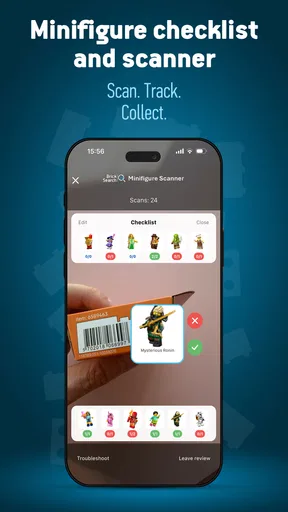
During the first week, the appeal is easy to understand. I could point the phone at a minifigure box and use the result to make a more informed choice. That changes the mood of a blind purchase. Instead of accepting whatever happens to be inside, I can treat the shelf like a small identification task. For a collector who is missing only a few figures from a series, that difference matters immediately.
The scanner is most useful when I already know what I am looking for. If my collection is missing a particular character or costume, identifying boxes before buying can reduce the chance of coming home with another duplicate. It is less compelling when I am buying casually and do not care which figure I receive. In that situation, opening the app adds a step to a purchase that was meant to be spontaneous.
I also found that the collection side is more important than the scanning trick itself. A scanner can be entertaining for an afternoon, but a record of owned figures has lasting value. Once I use the app to keep that record current, it becomes a reference point before another shopping trip. That is the point at which BrickSearch starts to justify its space on my phone.
A realistic example is a quick visit to a toy shop with a child who wants one more figure from a series. Without a record, I might remember the broad shapes of the figures at home but forget exactly which ones are already in the collection. With the app, I can check the list, scan possible boxes, and make the choice more deliberately. The process does not remove all uncertainty, but it makes the purchase less random.
That workflow reveals an important tip: update the collection immediately after opening a box, not later that evening. Delaying the update creates a small memory problem. After several purchases, it becomes easy to confuse a figure that is physically on the shelf with one that was only scanned in a shop. The app works best when it reflects the real collection rather than an aspirational wishlist assembled from quick scans.
What makes the first week feel different from ordinary shopping
Most shopping apps are built around finding products, comparing sellers, or completing a transaction. This one is built around recognition and ownership. That makes it a better fit for people who enjoy the organizing side of collecting. I like that the central action is connected to a physical object in front of me rather than being another catalog to browse endlessly.
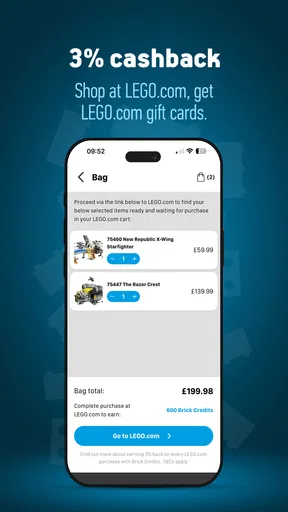
The cashback element also gives purchases a reason to return to the app after the scan. It can make the tool feel less like a novelty and more like part of a buying routine. However, I would not install it solely for cashback. The practical value depends on whether I already want the relevant LEGO products and whether I am willing to follow the app’s purchase flow instead of using my usual retailer or marketplace.
There is also a psychological benefit to seeing a collection become more complete. Even when the app is not doing anything dramatic, a maintained list can make progress visible. That is useful for collectors who are trying to avoid impulsive duplicates or who share buying responsibilities with family members. It gives everyone a common reference instead of relying on memory or photographs.
On the other hand, the first-week experience can encourage overchecking. I caught myself wanting to scan boxes simply because I could. That is fun at first, but it is not a sustainable habit if every shopping trip turns into a long inspection. My advice is to define the purpose before opening the app: identify a missing figure, confirm a duplicate, or record a new addition. A clear purpose keeps the scanner useful instead of turning it into a repetitive ritual.
Where the month-to-month value actually comes from
After the initial excitement, the app’s value depends on collection maintenance rather than scanning frequency. If I buy minifigure boxes only occasionally, the app can remain a handy reference that I open when needed. If I collect actively, the list becomes more valuable but also demands more discipline. The more items I own, the more damaging one missed update can become.
The strongest long-term use case is duplicate prevention. Blind-box collecting often produces repeated figures, and a reliable collection record helps me make better decisions before buying. It is especially useful when I am shopping away from home and cannot inspect the physical collection. I can use the app as a memory aid rather than trying to remember every character, accessory, or variation on my own.
A second use case is planning purchases over time. Instead of buying whatever catches my eye, I can identify gaps and decide whether a new box is worth the risk. This changes the app from a scanning toy into a small collection-management system. The trade-off is that the system is only as accurate as my entries. If I forget to mark a figure, the next recommendation I make to myself may be based on incorrect information.
The cashback feature may add recurring value for users who make eligible purchases through the app’s intended route. I see it as a bonus attached to the collecting workflow, not as a replacement for comparing prices elsewhere. A discount or cashback reward is not automatically a good deal if the product costs more than it would through a familiar retailer. I would still compare the final cost, delivery conditions, and convenience before changing how I shop.
That is one of the app’s clearest differences from a spreadsheet or a notes app. A spreadsheet can record a collection in exactly the format I choose, and it may be better for unusual custom categories. BrickSearch is more convenient when I want recognition, a purpose-built collection view, and shopping-related tools in one place. The spreadsheet wins on flexibility; this app wins on reducing setup work for a specific kind of collector.
Compared with simply taking photographs of the minifigures, the app should be easier to consult when I am standing in a shop. Photos preserve useful visual detail, but they can become difficult to search once the collection grows. A photo album also does not naturally connect identification, ownership, and buying decisions. For a small collection, photographs may be enough. For a growing series-based collection, a dedicated record is more practical.
The maintenance burden that decides whether it lasts
The biggest hidden cost is not money; it is attention. Every new figure creates a small administrative task. I need to scan or identify it, make sure the collection reflects the purchase, and avoid treating a temporary scan as proof of ownership. That sounds minor, but repeated small tasks are exactly what cause apps to disappear from daily use.
I recommend a simple routine. Scan before buying only when avoiding a duplicate matters, then update the collection after opening the box. If I am buying several boxes, I would process them in one sitting and check the list before putting the figures away. This separates shopping decisions from collection maintenance and makes it less likely that I will accidentally mark an unopened box as collected.
Another useful habit is to treat the collection as a record of physical ownership, not as a list of intentions. If I want a wishlist, I would keep that mentally separate from the owned list or use a clearly different status when the app supports one. Mixing the two makes the collection look more complete than it really is and weakens the app’s main benefit: helping me avoid unnecessary duplicates.
There is also a practical limitation to camera-based identification. Lighting, glare, the angle of the box, and the condition of packaging can affect how comfortable I feel relying on a scan. Even when the app recognizes a box, I would still verify the result if the purchase matters. A quick scan is a decision aid, not a reason to stop paying attention to the physical product.
That trade-off is important for collectors who buy older or unusual releases. A dedicated scanner is most valuable when its supported catalog matches what I am currently collecting. If my interest moves toward custom figures, loose minifigures, older packaging, or items outside the app’s focus, a manual catalog may become more dependable. I would not want the app to be the only record of a collection that includes many exceptions.
Why fatigue can arrive sooner than expected
The first source of fatigue is repetition. Scanning one box feels clever; scanning every box in a large display can feel like work. The more predictable the process becomes, the less rewarding it is. I found that the app stays enjoyable when it solves a specific problem, but loses energy when I use it automatically without a clear collecting goal.
The second source is the tension between collecting and shopping. The app encourages me to think about what to buy, which is useful, but it can also make every purchase feel like a small optimization exercise. Some collectors will enjoy that extra control. Others will feel that it takes away from the surprise that made blind boxes appealing in the first place. Neither reaction is wrong; this is a matter of what I want from the hobby.
Cashback can create a similar distraction. Rewards sound attractive, but they can encourage me to focus on earning something from a purchase rather than asking whether I actually want the item. I would use that feature only after deciding that the product and price make sense. The reward should follow a good purchase, not justify a needless one.
There may also be friction when a collection changes hands. If several family members buy figures, one person needs to keep the record current, or the list quickly becomes unreliable. I would choose one person as the collection manager and update it at a set time. That small rule prevents the common problem of two people assuming the other has recorded a new figure.
The app’s public reception suggests a mixed experience: it has a 3.1 average from around 4.4 thousand ratings, with roughly 395 written reviews. I read that as a reason to keep expectations practical. The concept is focused and useful, but it is not likely to suit every collector or every buying style. The app has passed the threshold where many people are using it, yet the rating also signals that convenience may come with occasional frustration.
Who should install it, and who should skip it
I would recommend it to someone who regularly buys LEGO minifigure boxes, dislikes duplicates, and enjoys keeping a collection organized. It is also a good fit for parents who want a quick way to check what a child already owns before buying another box. The app is particularly sensible for collectors who shop in person and want a practical memory aid at the shelf.
I would be more cautious if I were a casual buyer who opens one box every few months. In that case, the collection may be small enough to remember, and the extra scanning step may not repay its effort. I would also skip it if my collection is mostly loose figures, custom builds, or products outside the app’s intended focus. A general notes system or a manually maintained spreadsheet could be more adaptable.
Storage space is not the only question when deciding whether to keep it installed. I would ask whether I have opened it during the last few buying trips and whether its record has prevented a duplicate. If the answer is no, the app may have served its purpose temporarily and can be removed until my collecting becomes more active. That is a healthier approach than keeping every specialized app indefinitely.
The app is free, but it includes in-app purchases ranging from forty-nine cents to thirty-nine dollars and ninety-nine cents per item. I would pay attention to the checkout screen and distinguish optional spending from the basic reason I installed it. The free entry point makes experimentation easy, while the range of optional purchases means I would avoid assuming that every useful part of the experience is included at no cost.
With more than 500 thousand installs, it is clearly reaching a substantial collector audience. That does not guarantee that it will match my exact collection, but it does make the app feel like an established specialist tool rather than an obscure experiment. I would still judge it by my own routine: accurate records, quick decisions, and less duplicate buying are the outcomes that matter.
My long-term verdict after the novelty fades
BrickSearch Minifigure Scanner earns lasting space when it becomes a collection habit, not when it is used as a party trick. The scanning feature is the attention-grabber, but the durable value comes from maintaining an accurate list and using it before purchases. That combination can make blind-box collecting more deliberate without forcing me to abandon the fun of surprise entirely.
I like the app most as a focused companion for active minifigure collectors. It gives me a practical reason to check what I own, helps me think before buying, and may add cashback to purchases I was already planning to make. It is more convenient than building a catalog from scratch, and more connected to shopping than a basic notes file.
My reservations are equally clear. The scanner can become repetitive, the collection requires regular updating, and camera-based identification should not replace common-sense checking. Cashback should not be treated as a reason to spend, and collectors with broader or more unusual collections may eventually need a more flexible manual system.
For me, the decision comes down to frequency. If I am regularly buying boxed minifigures, I would keep it installed and follow a simple scan, buy, update routine. If I am only occasionally tempted by a display, I would probably rely on a lighter method. BrickSearch is not a universal shopping app, but for the right collector it solves a real recurring annoyance well enough to remain useful after the first-week excitement has gone.
Verdict
Strengths of BrickSearch Minifigure Scanner
- Quickly scans LEGO minifigure codes using the phone camera.
- Helps identify figures without opening every blind box.
- Useful for collectors tracking duplicates and missing characters.
- Simple interface that is easy to understand and use.
- Can make choosing sealed minifigure packs more convenient.
Limitations of BrickSearch Minifigure Scanner
- Scanning accuracy may depend on lighting, focus, and the code condition.
- Requires compatible printed codes and may not recognize every release.
- The catalog may lag behind newly launched minifigure series.
- Some features or information may require an in-app purchase.
- Frequent scanning can be inconvenient if the camera struggles to focus.
Similar Picks in This Category
View All
SHEIN-Shopping Online
Roadget Business PTE. LTD.4.8

Amazon Shopping
Amazon Mobile LLC4.4


Mercado Libre: Compras online
Mercado Libre4.8

Wish: Shop and Save
Wish US Holdings LLC4.7

Alibaba.com - B2B marketplace
Alibaba Mobile4.4
Frequently Asked Questions
What is BrickSearch Minifigure Scanner and what does it do?
BrickSearch Minifigure Scanner is a companion tool for LEGO minifigure collectors. It uses your phone’s camera to scan compatible packaging codes, helping identify the character or figure associated with a mystery minifigure. In practice, it can make searching through blind-box style releases faster, although results depend on the supported product range, readable code quality, and the app’s current database.
How accurate is the BrickSearch Minifigure Scanner?
The scanner can be useful, but it should not be treated as infallible. Accuracy may be affected by poor lighting, reflections, damaged packaging, an incorrect camera angle, or codes that are not yet included in the database. During use, it is best to keep the code flat and clearly visible, then compare the displayed result with the physical box and the official series information before making a purchase.
Does BrickSearch Minifigure Scanner work with every LEGO minifigure or product?
No. The app is designed for supported minifigure series and packaging codes rather than every LEGO product ever released. Compatibility can vary according to the series, region, packaging format, and database updates. Before downloading, collectors should check the app’s current listing and update notes to confirm that the particular minifigure series they want to scan is supported.
Does the app require an internet connection or special phone permissions?
BrickSearch Minifigure Scanner may need camera access to read codes, and some features or product information can require an internet connection. Camera permission is essential for scanning, while network access may be used to retrieve or update identification data. If you deny these permissions, the main scanning experience may not work correctly. Availability of offline results can depend on the app version.
Is BrickSearch Minifigure Scanner free to download, and are there any limitations?
The app may be available to download without an upfront charge, but users should review its store page for current details about advertising, optional purchases, subscriptions, or feature restrictions. Free access can sometimes include limits on scanning, database tools, or additional collector features. Since pricing and availability may change, checking the official Android or iOS listing before installing is recommended.
